
Herpes Brochure
Herpes Brochure - How common is genital herpes? Genital herpes is a common sexually transmitted infection (sti) that can be treated. Herpes is caused by one of two viruses: Genital herpes is a very common sexually transmitted infection (sti). People who are sexually active can get genital herpes. This fact sheet answers basic questions about genital herpes. Hsv can cause sores around the mouth and in the genital area. Herpes is a very common and usually mild infection caused by the herpes simplex virus, or hsv. Genital herpes is a common sexually transmitted infection (sti) that can cause painful sores on the genital area. It is important to know that even without. Most hsv 1 infections are contracted during the childhood. Herpes outbreaks usually show up as one or more little sores on the mouth, genitals or anus. This fact sheet answers basic questions about genital herpes. Genital herpes is a common sexually transmitted infection (sti) that can be treated. Genital herpes is a very common sexually transmitted infection (sti). Knowing the virus type is important in understanding what to expect and determining treatment. People who are sexually active can get genital herpes. If a person has skin sores there is a high risk of them. Most people with the virus don’t have symptoms. Genital herpes is a common sexually transmitted infection (sti) that can cause painful sores on the genital area. It is caused by two viruses called herpes simplex type 1 (hsv 1) and herpes simplex type 2 (hsv 2). Focusing on common patient concerns, content includes: The herpes information here is mainly about infections in the genital area. Herpes is a very common and usually mild infection caused by the herpes simplex virus, or hsv. If a person has. Genital herpes is a common sexually transmitted infection (sti) that can be treated. Herpes is caused by one of two viruses: Hsv 1 is the virus usually associated with cold sores or fever blisters that occur on the lips, nose, chin and other parts of the face. This fact sheet answers basic questions about. The viruses are called herpes simplex. Genital herpes is a common sexually transmitted infection (sti) that can be treated. This fact sheet answers basic questions about. This fact sheet answers basic questions about genital herpes. If a person has skin sores there is a high risk of them. Hsv 1 is the virus usually associated with cold sores or fever blisters that occur on the lips,. If a person has skin sores there is a high risk of them. Herpes outbreaks usually show up as one or more little sores on the mouth, genitals or anus. Genital herpes is an std caused by two types of viruses. It is important to know that even without. This can happen during any kind of sex: How can you get genital herpes? Genital herpes is an std caused by two types of viruses. Focusing on common patient concerns, content includes: Genital herpes can be transmitted. This fact sheet answers basic questions about genital herpes. If a person has skin sores there is a high risk of them. People who are sexually active can get genital herpes, a common sexually transmitted disease (std). People who are sexually active can get genital herpes. Knowing the virus type is important in understanding what to expect and determining treatment. Focusing on common patient concerns, content includes: People who are sexually active can get genital herpes, a common sexually transmitted disease (std). This fact sheet answers basic questions about. How can you get genital herpes? This can happen during any kind of sex: Herpes is a very common and usually mild infection caused by the herpes simplex virus, or hsv. Hsv can cause sores around the mouth and in the genital area. Herpes is a very common and usually mild infection caused by the herpes simplex virus, or hsv. Genital herpes is a common sexually transmitted infection (sti) that can be treated. Genital herpes is a common sexually transmitted infection (sti) that can cause painful sores on the genital area.. This fact sheet answers basic questions about. People who are sexually active can get genital herpes, a common sexually transmitted disease (std). It is caused by two viruses called herpes simplex type 1 (hsv 1) and herpes simplex type 2 (hsv 2). Genital herpes is a common sexually transmitted infection (sti) that can cause painful sores on the genital area.. Most hsv 1 infections are contracted during the childhood. Herpes is caused by one of two viruses: This can happen during any kind of sex: If a person has skin sores there is a high risk of them. It is important to know that even without. Herpes is a common sexually transmitted disease (std) that any sexually active person can get. This fact sheet answers basic questions about. Herpes outbreaks usually show up as one or more little sores on the mouth, genitals or anus. Hsv can cause sores around the mouth and in the genital area. Genital herpes is an std caused by two types of viruses. Genital herpes is a very common sexually transmitted infection (sti). This fact sheet answers basic questions about genital herpes. A person with herpes in their mouth can pass herpes to a partner’s mouth when kissing,. How can you get genital herpes? Most people with the virus don’t have symptoms. Genital herpes is a common sexually transmitted infection (sti) that can cause painful sores on the genital area. This can happen during any kind of sex: Most hsv 1 infections are contracted during the childhood. The viruses are called herpes simplex type 1 and herpes simplex type 2. Herpes is caused by one of two viruses: Herpes is an infection caused by the herpes simplex virus (hsv).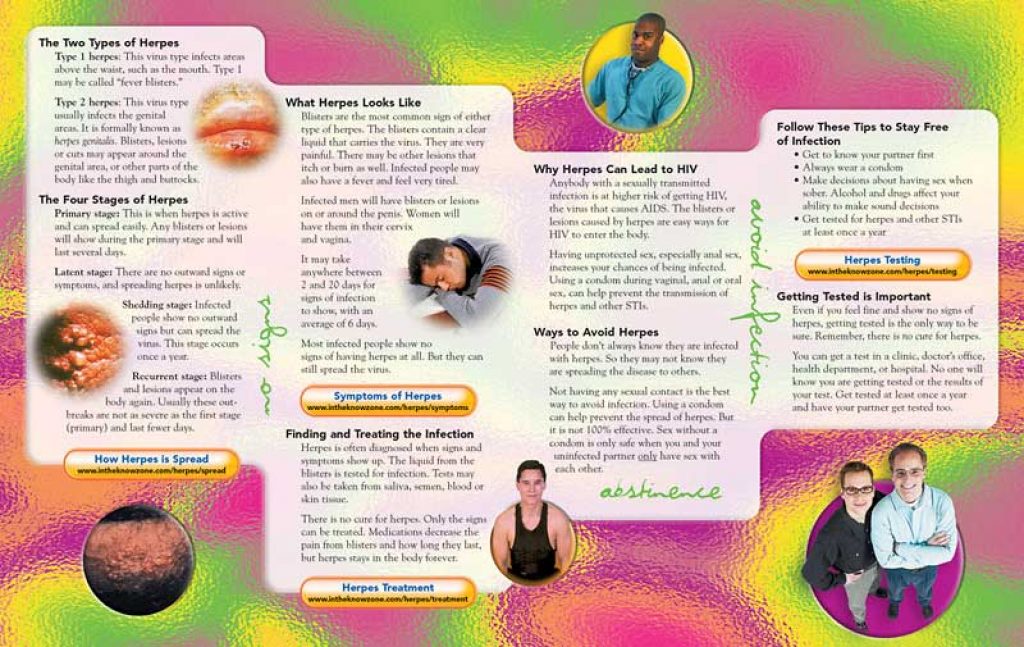
Herpes Pamphlet Prevention and Treatment Resource Press
/Products and Resources/Shingles/Infographic/2014/shingles2014_infographic_e.png)
Additional Promotional Resources immunizecanada

Useful Brochure Genital Herpes
Herpes Brochure Body High Res PDF Herpes Simplex Sexual Health

Useful Brochure Genital Herpes
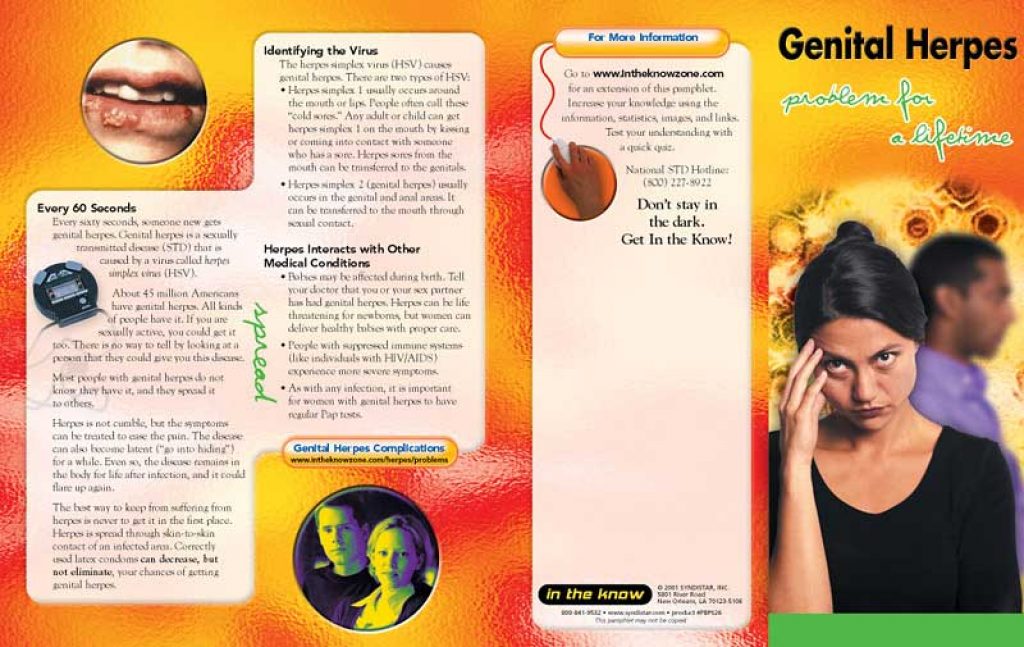
Genital Herpes Pamphlet Prevention & Treatment Resources
Leaflet Herpes Zoster PDF
Herpes PDF Herpes Simple Infección transmitida sexualmente
Herpes Simplex Virus (HSV) Opportunistic Infection Hiv/Aids PDF

SOLUTION Herpes Pamphlet Pdf Studypool
People Who Are Sexually Active Can Get Genital Herpes.
Genital Herpes Is A Common Sexually Transmitted Infection (Sti) That Can Be Treated.
Focusing On Common Patient Concerns, Content Includes:
It Is Important To Know That Even Without.
Related Post:


