
Als Brochure
Als Brochure - Also known as als or lou gehrig’s disease is a fatal neurodegenerative disease that is characterized by progressive degeneration of nerve cells in the spinal cord and brain. Below you’ll find a range of downloadable als resources for patients and caregivers that may help you better understand and manage your disease. What is amyotrophic lateral sclerosis (als)? The als association has developed the. Als is a progressive disease, meaning that symptoms get worse over time. More commonly know as lou gehrig's disease, amyotrophic lateral sclerosis (als) is a progressive neuromuscular disease which causes degeneration of the motor neurons, cells in. We focus on educating, advocating, and mobilizing. Amyotrophic lateral sclerosis (als), commonly known as lou gehrig's disease, is a devastating neurodegenerative disease that progressively weakens muscle control by affecting nerve cells. Over time, persons with als. A brochure to assist people living with als understand their speech difficulties and to describe solutions and resources available to help them communicate. Als is characterized by progressive muscle weakness, but many common symptoms can be mistaken for als. The als association has developed the. Our team of professional care coordinators provide expert advice and assistance for people living with als, free of charge. • estimate the number of new cases of als each year, • estimate the number of people who have als at a specific point in time, • better understand who gets als and what factors affect the. This is a general information brochure for health care professionals working with persons with als. Educational webinars featuring an als. What does amyotrophic lateral sclerosis (als) and motor neuron disease (mnd) mean? This guide explains the goals for the registry, resources for patients, and contact. Get updatesready to answer your calldial nowcall for live answers We also know how important it is to have access to. Get updatesready to answer your calldial nowcall for live answers What is amyotrophic lateral sclerosis (als)? Amyotrophic lateral sclerosis (als), formerly known as lou gehrig’s disease, is a neurological disorder that affects motor neurons. This guide explains the goals for the registry, resources for patients, and contact. The als association has developed the. A note to the reader: This guide explains the goals for the registry, resources for patients, and contact. People with als gradually lose their strength and muscle function, which can limit their ability to live. What is amyotrophic lateral sclerosis (als)? Amyotrophic lateral sclerosis (als), commonly known as lou gehrig's disease, is a devastating neurodegenerative disease that progressively weakens muscle. What does amyotrophic lateral sclerosis (als) and motor neuron disease (mnd) mean? The lois insolia als clinic at the les turner als research and patient care center at northwestern medicine provides a multidisciplinary approach to patient care, including an. We focus on educating, advocating, and mobilizing. Als is a progressive disease, meaning that symptoms get worse over time. Amyotrophic lateral. This is a general information brochure for health care professionals working with persons with als. Educational webinars featuring an als. We understand the dificulties of daily living for people with als and the complexity of caring for a loved one living with the disease. Below you’ll find a range of downloadable als resources for patients and caregivers that may help. Get updatesready to answer your calldial nowcall for live answers Understanding the key differences between als and its. More commonly know as lou gehrig's disease, amyotrophic lateral sclerosis (als) is a progressive neuromuscular disease which causes degeneration of the motor neurons, cells in. Amyotrophic lateral sclerosis (als), commonly known as lou gehrig's disease, is a devastating neurodegenerative disease that progressively. Our team of professional care coordinators provide expert advice and assistance for people living with als, free of charge. Understanding the key differences between als and its. Lateral sclerosis (als) is a rare neurological disease that afects nerve cells (neurons) in the brain and spinal cord that control voluntary muscle. A note to the reader: Monitor alsmanaging alsals resourcesunderstanding als Get updatesready to answer your calldial nowcall for live answers Understanding the key differences between als and its. The lois insolia als clinic at the les turner als research and patient care center at northwestern medicine provides a multidisciplinary approach to patient care, including an. What does amyotrophic lateral sclerosis (als) and motor neuron disease (mnd) mean? Als is a. Amyotrophic lateral sclerosis (als), commonly known as lou gehrig's disease, is a devastating neurodegenerative disease that progressively weakens muscle control by affecting nerve cells. Educational webinars featuring an als. We focus on educating, advocating, and mobilizing. Als is characterized by progressive muscle weakness, but many common symptoms can be mistaken for als. Amyotrophic lateral sclerosis (als), formerly known as lou. • estimate the number of new cases of als each year, • estimate the number of people who have als at a specific point in time, • better understand who gets als and what factors affect the. Monitor alsmanaging alsals resourcesunderstanding als What does amyotrophic lateral sclerosis (als) and motor neuron disease (mnd) mean? Over time, persons with als. What. This is a general information brochure for health care professionals working with persons with als. Understanding the key differences between als and its. A note to the reader: We also know how important it is to have access to. What is amyotrophic lateral sclerosis (als)? People with als gradually lose their strength and muscle function, which can limit their ability to live. A note to the reader: Below you’ll find a range of downloadable als resources for patients and caregivers that may help you better understand and manage your disease. Get updatesready to answer your calldial nowcall for live answers Get updatesready to answer your calldial nowcall for live answers Our team of professional care coordinators provide expert advice and assistance for people living with als, free of charge. Amyotrophic lateral sclerosis (als), formerly known as lou gehrig’s disease, is a neurological disorder that affects motor neurons. Over time, persons with als. More commonly know as lou gehrig's disease, amyotrophic lateral sclerosis (als) is a progressive neuromuscular disease which causes degeneration of the motor neurons, cells in. A brochure to assist people living with als understand their speech difficulties and to describe solutions and resources available to help them communicate. What is amyotrophic lateral sclerosis (als)? This is a general information brochure for health care professionals working with persons with als. Amyotrophic lateral sclerosis (als), commonly known as lou gehrig's disease, is a devastating neurodegenerative disease that progressively weakens muscle control by affecting nerve cells. • estimate the number of new cases of als each year, • estimate the number of people who have als at a specific point in time, • better understand who gets als and what factors affect the. What is amyotrophic lateral sclerosis (als)? We understand the dificulties of daily living for people with als and the complexity of caring for a loved one living with the disease.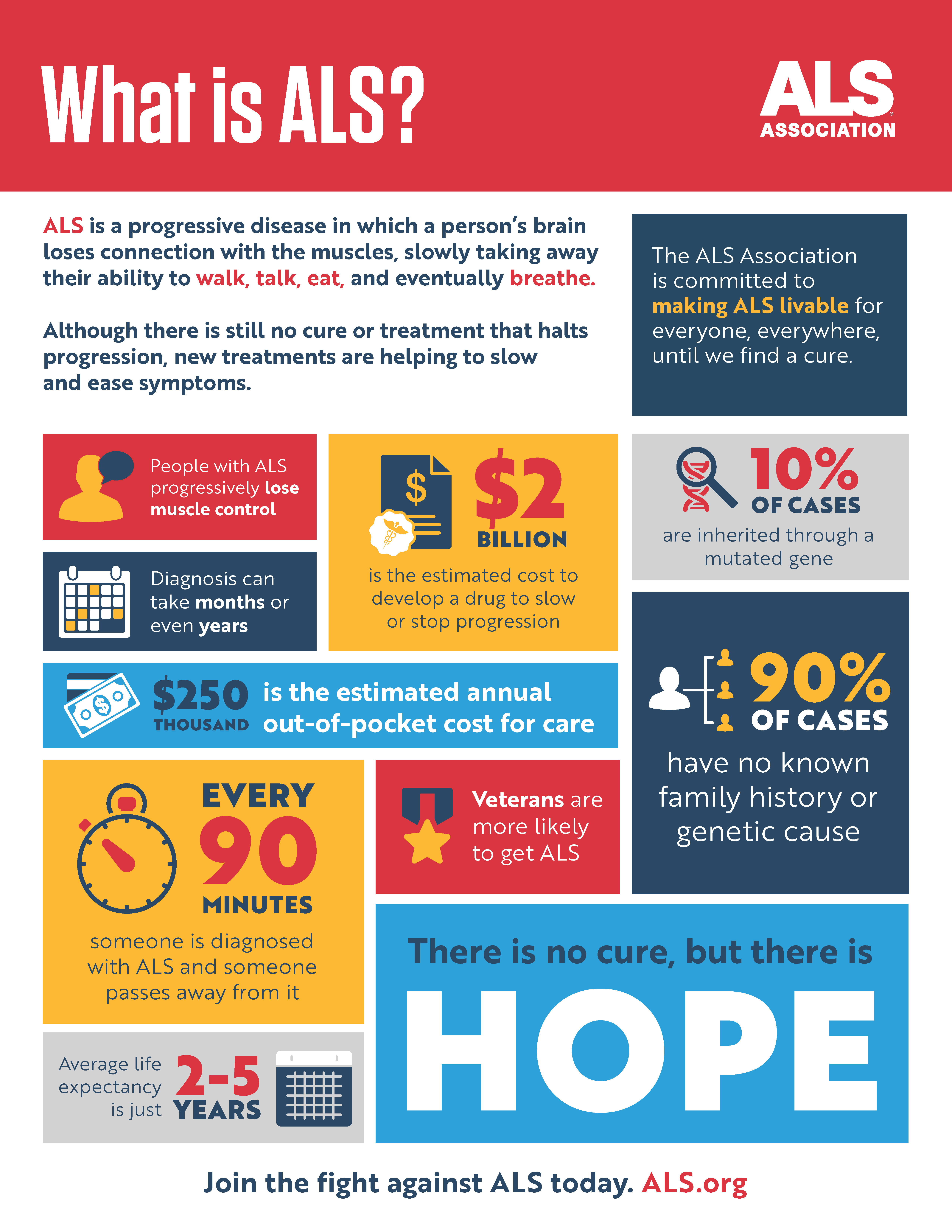
What is ALS? Amyotrophic Lateral Sclerosis The ALS Association

The ALS Association
Maintaining Good Nutrition with ALS The ALS Association
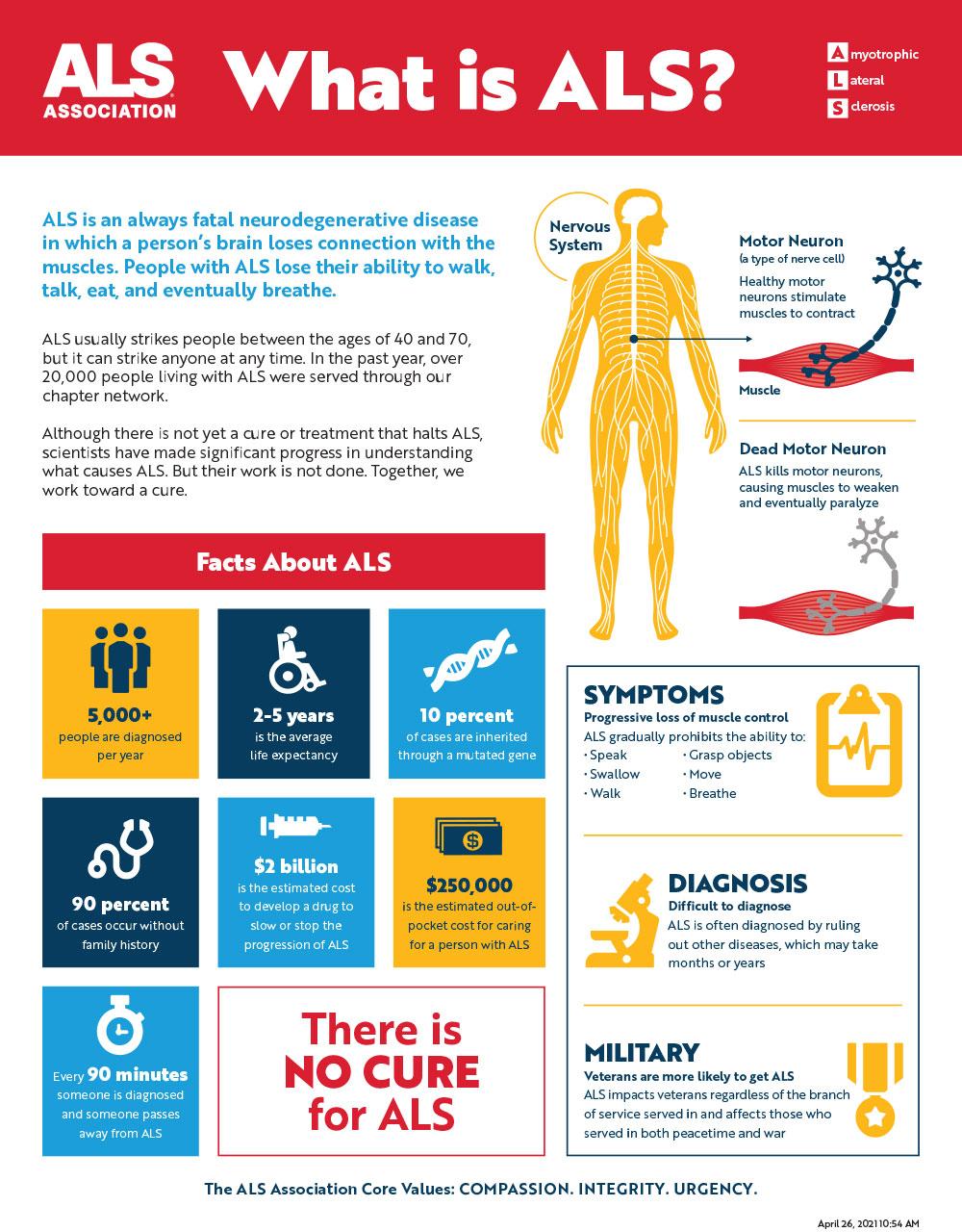
What is ALS? Amyotrophic Lateral Sclerosis The ALS Association
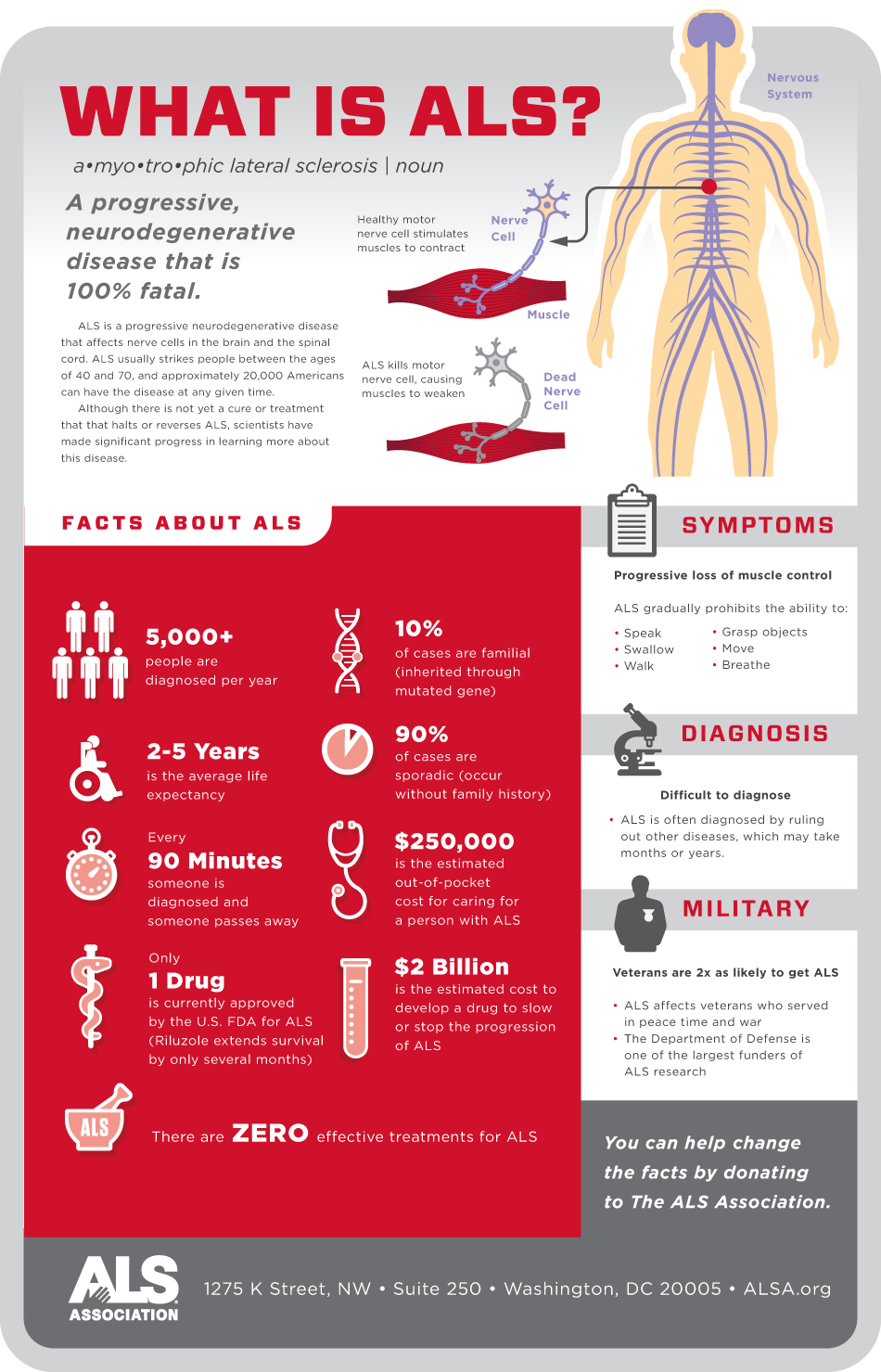
ALS Awareness Month National Dental Pulp Laboratory

ALS Disease (brochure content)

ALS Brochure Cortexflo Powered by Fernico
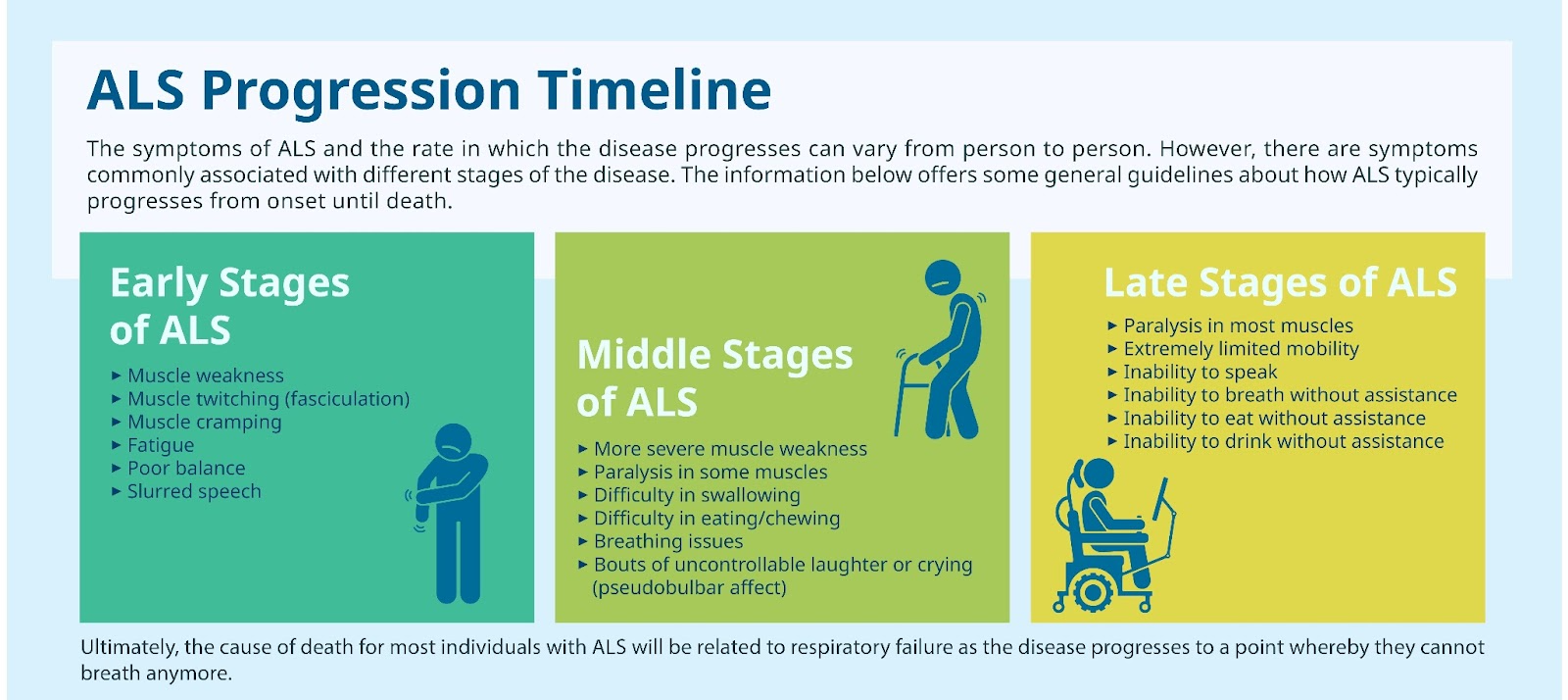
The Stages of ALS Understanding the Progression of the Disease Swiss
ALS Brochure PDF Amyotrophic Lateral Sclerosis

ALS Chapter Brochure TANYA LUCKERT
Understanding The Key Differences Between Als And Its.
We Focus On Educating, Advocating, And Mobilizing.
We Also Know How Important It Is To Have Access To.
This Guide Explains The Goals For The Registry, Resources For Patients, And Contact.
Related Post:
